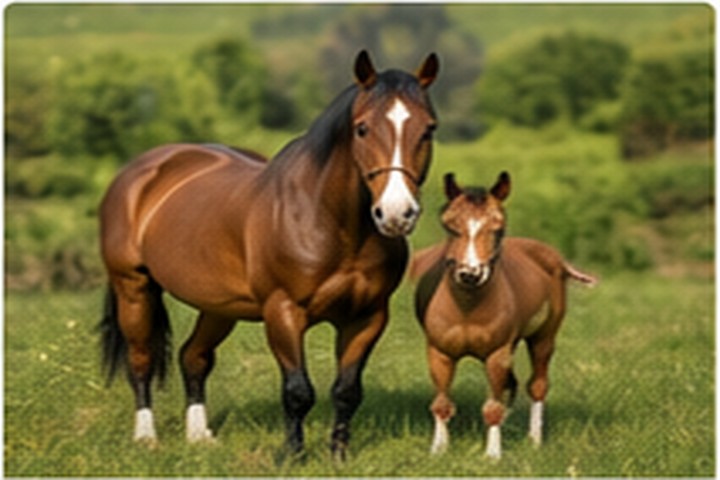
Pairing the right rider with the right horse is the cornerstone of safe, enduring partnerships on Indian riding horses. Whether you ride a Marwari, Kathiawari, or a crossbred with Marwari or Kathiawari influence, a clear, field-ready protocol helps breeders, trainers, owners and buyers align rider weight, experience and goals with a horse’s temperament and training level. This five-step method focuses on practical assessment, transparent matching, constructive trial riding and ongoing partnership health checks. It’s designed for real-world stables, riding clubs and stud farms across India.
Step 1: Rider Profile and Data Capture

Create a concise rider profile that goes beyond casual impressions. Record objective data and riding goals, then recheck periodically as skill and fitness change.
- Rider weight with typical equipment, including saddle and pads. Note seasonal fluctuations (e.g., heavier gear in winter riding jackets).
- Experience level: novice, developing, or advanced. Include recent riding milestones and types (dressage, trail, jumping, polo, endurance, etc.).
- Riding discipline and frequency: weekly riding hours, stable routines, and preferred terrain (sand arena, grass, field, hills).
- Health and ergonomics: back, shoulder, knee considerations; comfort with rein and leg aids; history of falls or injuries.
- Equipment compatibility: saddle type, girth length, bit, reins, and safety gear in use. If possible, track weight distribution during rides using a simple measurement or rider feedback on balance.
With this data, you’ll start to see which horses align with rider expectations and limits. When in doubt, consult a qualified trainer or riding coach who understands Indian riding horses and the temperament spectrum found in Marwari, Kathiawari and crossbreds. If you’re searching for potential mounts, browse options at Browse horses or explore stud options at Explore stud farms.
Step 2: Horse Assessment and Temperament Profiling
Indian riding horses display a range of responses to rider cues, environment and workload. A practical temperament profile helps predict how a horse will respond to different riders and tasks.
- Calm, predictable responses: steady in gait transitions, cooperative with aids, tolerant of rider variances in weight and rein tension.
- Moderate energy: responsive but not over-reactive; suitable for riders with some experience and a moderate workload.
- Alert or sensitive: quick to react to cues or environment; benefits from lighter, consistent aids and a calm, predictable daily routine.
For Marwari and Kathiawari horses, temperament can be shaped by handling history, familiar environments and training exposure. A field-friendly profiling session should include:
– Ground work to gauge lead stability, head carriage and responsiveness to voice cues.
– Lunge or long-line work to observe balance, responsiveness, and ease of transitions.
– Walk-trot-canter work at a comfortable rhythm, noting balks, heavy triggers, or overt startle responses.
– A short handling sequence to assess reaction to tack, mounting readiness and rider pressure tolerances.
Remember, temperament is a guide, not a verdict. The goal is to identify horses that will partner well with the rider’s weight and experience while maintaining safety and longevity. When evaluating horses, consider the anatomy, conformation, and general soundness as part of the overall fit. If you’re curious about available horses, you can view the full listing pool at Browse horses.
Step 3: Matching Matrix — Weight, Experience and Training Level
Use a simple, field-friendly matching matrix to map rider profiles to horse temperament and training. This encourages objective decisions and reduces last-minute surprises during the first rides.
Three axes define the pairing:
- Rider weight categories: Light (up to 60 kg), Medium (60–85 kg), Heavy (85+ kg)
- Rider experience levels: Novice, Intermediate, Advanced
- Horse temperament/training: Calm, Moderate, Responsive
Practical pairing guidelines (illustrative, to be adapted to each horse’s profile):
- Light rider + Novice rider + Calm horse: best starting pair; can progress quickly with proper coaching.
- Light rider + Novice rider + Moderate horse: feasible with a higher safety margin and supervision.
- Medium rider + Novice or Intermediate rider + Calm or Moderate horse: workable, but monitor workload and saddle fit closely.
- Heavy rider + Novice rider + Calm horse: a cautious but possible pairing; prioritize proper saddle fit and slow progression.
- Any rider with Advanced experience + Highly Sensitive/Responsive horse: best reserved for a trainer-led program. Consider gradual exposure and longer trial periods.
Apply this matrix during shortlisting. It’s not a one-size-fits-all chart, but a practical tool to identify candidates that balance rider needs with horse safety. If you’re evaluating crossbreds, account for their composite temperament and the training cues they’ve absorbed from both parent breeds. For a broader view of available horses, visit Browse horses.
Step 4: Trial Riding Protocol and Feedback Loop
The trial ride is where theory meets reality. A structured, short-duration trial reduces risk and reveals true compatibility.
- Duration and scope: start with 15–20 minutes in a familiar arena, then extend to 30–40 minutes across varied footing and gentle terrain. Avoid long trails on the first days.
- Rider cues and aids: maintain clear, gentle pressure and steady hands. Avoid abrupt rein pressure on a newly matched horse.
- Observation checklist: balance, responsiveness to leg aids, head carriage, latency to respond, willingness to move forward, and any signs of evasion or tension.
- Environment: choose a calm day with minimal distractions. If you observe startle responses, reduce workload or pause the pairing and reassess.
- Safety gear: ensure helmet, proper boots, and appropriate protective equipment are used. Have a trained observer or trainer present during the initial rides.
Post-ride feedback should be documented shortly after the session. Note rider comfort, horse responses, and any anomalies. If a mismatch is evident, reassess quickly. If you’re exploring additional candidates, consult the listings at Browse horses or contact a study partner at Explore stud farms.
Step 5: Ongoing Partnership Health Check and Adaptation
A successful pairing requires ongoing monitoring rather than a one-time judgment. Set a simple cadence for re-evaluation and progressive training adjustments.
- Monthly checks: rider weight, equipment fit, and rider feedback; horse health indicators like turnout, saddle pressure points, and soundness.
- Training milestones: track skill progression (balance, steering, transitions) and adjust workload in response to performance and comfort.
- Rotation and rest: plan predictable work-rest cycles to prevent fatigue and maintain willingness to work. Use consistent routines for tack, cues, and handling to reduce stress.
- Adaptive changes: if weight changes or training demands shift, revisit the matching matrix and adjust as necessary. Small, incremental changes preserve partnership longevity.
In the Indian riding horse landscape, this ongoing approach helps ensure that Marwari, Kathiawari and crossbreds remain reliable partners across seasons and workloads. If you’re seeking stable partners or want to compare options, consider visiting stud farms or breeders with a transparent pairing philosophy: Explore stud farms and Browse horses.
Practical Tools and Checklists
Keep copies of your rider profile, horse assessment notes and your trial ride reports in a single stable file. A simple, consistent template helps you track progress over time and improves communication with trainers, caretakers and buyers.
Conclusion
Effective rider–horse pairing is a blend of data, observation and disciplined trial riding. The five-step protocol described here provides a field-ready framework that respects the temperament and training needs of Indian riding horses like the Marwari, Kathiawari and their crossbreds. By documenting rider profiles, profiling horse temperament, applying a clear matching matrix, conducting structured trial rides, and maintaining ongoing checks, owners and trainers can build safer, longer-lasting partnerships that stand up to Monsoon seasons, travel and changing workloads. For further insights into Indian riding horses and related resources, consider exploring the available listings and partner pages on our site.
Internal References
Find more on horses and partnerships at Browse horses and Explore stud farms. If you’re evaluating stallions, you can also View stallions.
FAQs
What is the core aim of the Rider–Horse Pairing Protocol?
To align rider weight, experience and goals with a horse’s temperament and training level, creating safer, longer-lasting riding partnerships.
How do I assess rider weight and equipment fit?
Record typical riding weight with gear, note seasonal changes, and verify saddle fit and girth length. Use light, consistent gear to reduce confounding variables during trials.
What makes a good trial ride for a first pairing?
Short, structured sessions in a familiar arena with clear cues, safety gear and an observer. Monitor balance, responsiveness and any signs of discomfort or avoidance, and adjust accordingly.
How often should pairing reassessments occur?
Monthly checks for routine riders; more frequent if weight, training loads or health issues change. Revisit the matching matrix when major changes occur.
Explore India’s Equine Marketplace
Discover horses, stallions, stud farms and trusted equine services on IETA.